Choosing between peristaltic pump manufacturers is not simply a matter of comparing catalog models. For an OEM project, the more important question is whether a manufacturer can adapt a pump to the actual equipment in which it will operate.
A pump may look suitable based on flow rate alone but still create integration problems if its voltage, tubing, control method or installation arrangement does not match the machine. This is why OEM capability deserves more attention during supplier evaluation.
In practical terms, strong OEM capability means that a manufacturer can move beyond supplying a standard pump. It should be able to understand the equipment requirements, identify a suitable pump platform, adjust the configuration where necessary and verify that the proposed solution is suitable before volume production.
For equipment manufacturers, this can reduce unnecessary redesign and make the transition from prototype to production more predictable.
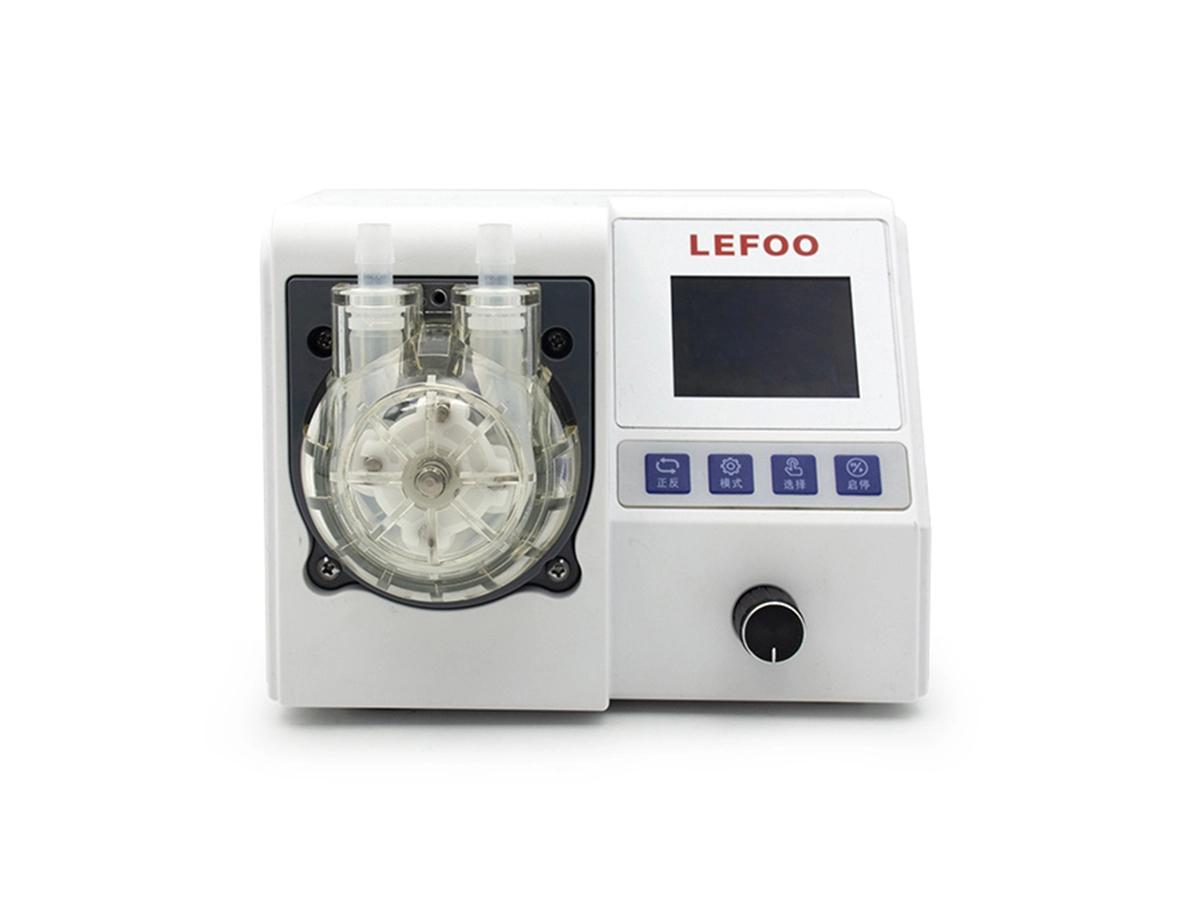
Why OEM Capability Matters When Comparing Peristaltic Pump Manufacturers
Two manufacturers may offer pumps with similar specifications, yet provide very different levels of support once the pump needs to be incorporated into a finished machine.
A catalog specification tells you what a standard pump can do. An OEM project asks a different question: can that pump work reliably inside your equipment?
For example, an equipment designer may need to fit a pump into a restricted installation space or connect it to an existing power and control system. The liquid being transferred may also require a particular tubing material. In these situations, simply choosing the closest standard model may not be enough.
This is where OEM capability becomes useful.
A manufacturer with a suitable existing platform may be able to adjust the configuration rather than requiring the buyer to redesign the equipment around a fixed pump. That makes the manufacturer's engineering flexibility part of the purchasing decision.
When comparing peristaltic pump manufacturers, buyers should therefore look beyond the number of models in a catalog. The better question is whether those models provide a practical starting point for the intended application.
How Product Range Reflects a Manufacturer’s OEM Flexibility
A broad product range does not automatically make one manufacturer better than another. However, it can provide more options for developing an OEM solution without starting from scratch.
Different machines place different demands on a peristaltic pump. One application may require straightforward constant-speed fluid transfer, while another may need more precise speed control or communication with an automation system.
Having access to different drive technologies gives engineers more room to match the pump to the equipment rather than forcing every application into the same design.
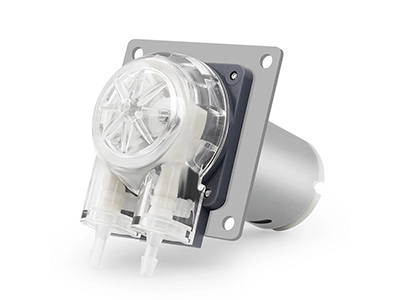
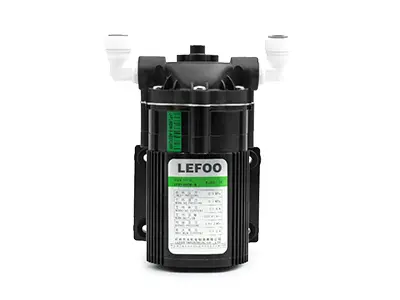
LEFOO's current peristaltic pump portfolio includes DC motor, brushless DC motor and stepper motor configurations, with models covering different fluid-transfer and dosing requirements. Its peristaltic pump range also provides options for OEM integration.
For an OEM buyer, the value of this variety is not simply having more products to choose from. It gives the project a wider technical starting point.
| OEM Evaluation Question | What It Helps Confirm |
|---|
| Is there an existing pump close to the required performance? | Whether extensive redesign may be avoided |
| Are different motor or control options available? | Whether the pump can fit the equipment architecture |
| Can the standard configuration be adjusted? | Whether the product can move from catalog item to OEM component |
| Can the proposed configuration be tested first? | Whether suitability can be checked before volume production |
This approach is more useful than choosing a manufacturer simply because it advertises a large number of pump models.
What Customization Capabilities Should OEM Buyers Look For?
Customization should solve a real integration problem. It should not mean changing features simply for the sake of creating a "custom" product.
A good starting point is the host equipment itself.
If the machine already has an established electrical architecture, the pump should fit that system where possible. If the pump must occupy a specific space, its mounting arrangement becomes important. If the liquid has particular compatibility requirements, tubing selection needs to be considered as part of the complete pump configuration.
This is why useful OEM customization usually happens around the interface between the pump and the equipment.
Some LEFOO peristaltic pump configurations can be adapted around factors such as voltage options, tubing, connectors and mounting requirements according to the intended application.
The key point for buyers is not simply to ask, "Can you customize this pump?"
A more useful conversation is:
Here is our equipment, fluid and operating requirement. Which existing pump platform would you recommend, and what needs to change for integration?
That question reveals much more about a manufacturer's OEM capability because it requires a practical technical response rather than a simple yes or no.
Buyers can review the broader LEFOO product range when identifying a suitable starting platform for a new fluid handling project.
Why Testing and Application Validation Matter Before Mass Production
OEM customization is only useful when the resulting configuration performs as expected in the real application.
This is particularly important with peristaltic pumps because pump performance is influenced by the complete operating setup. Motor speed, tubing dimensions, tubing material and operating conditions can all affect the delivered flow.
For this reason, selecting a pump only from a headline flow figure may not provide enough information for an OEM project.
The better approach is to define the operating conditions first and then validate the proposed configuration.
A prototype or sample evaluation can help answer practical questions that a catalog cannot fully resolve. Does the pump fit correctly? Does it deliver the required flow with the selected tubing? Does the control method work with the host equipment? Is the configuration suitable for the expected operating cycle?
These checks are especially valuable before wiring, machine layouts or production configurations are finalized.
For OEM buyers, testing is therefore not an extra step added after supplier selection. It is part of supplier selection itself. A manufacturer that can help move a project from specification to a validated pump configuration provides more value than one that simply supplies the closest standard model.
How to Evaluate Peristaltic Pump Manufacturers for Long-Term OEM Cooperation
A successful prototype is important, but OEM cooperation normally extends beyond the first sample.
Once the pump becomes part of a commercial machine, the buyer needs the approved configuration to remain suitable when production scales. Changes that appear small at component level can create additional verification work for the equipment manufacturer, so clear technical communication and configuration control become increasingly important.
This changes how peristaltic pump manufacturers should be evaluated.
Instead of focusing only on the initial quotation, buyers should consider how the manufacturer handles the entire path from selection to production.
Can the supplier understand the application before recommending a model? Can it explain which parts of the configuration can be adapted? Can the proposed solution be evaluated before mass production? And once the configuration is approved, can the manufacturer support continuing OEM requirements?
These questions provide a much clearer picture of long-term suitability than price alone.
LEFOO offers multiple peristaltic pump platforms for dosing and fluid-transfer applications, with different motor technologies and configurable solutions available for different equipment requirements.
For buyers developing new dosing, transfer or automated fluid handling equipment, the best starting point is to share enough application information for the manufacturer to recommend a suitable configuration rather than requesting a pump based only on a model number.
Conclusion
OEM capability helps buyers distinguish between peristaltic pump manufacturers that may appear similar from their catalogs. The right partner should be able to match an existing pump platform to the equipment, adapt the configuration where needed and validate it before volume production.
LEFOO provides multiple peristaltic pump options for OEM fluid handling applications. If you are evaluating a pump for a new project, contact LEFOO to discuss your application requirements.
FAQs About Choosing Peristaltic Pump Manufacturers
1. What does OEM capability mean for a peristaltic pump manufacturer?
OEM capability means being able to match or adapt a pump configuration to the requirements of the customer's equipment instead of supplying only a fixed standard model.
2. What information should I provide to a peristaltic pump manufacturer?
Provide the required flow, fluid information, available power supply and basic equipment integration requirements. This helps the manufacturer recommend a more suitable configuration.
3. Should an OEM peristaltic pump be tested before mass production?
Yes. Sample testing helps confirm that the selected pump, tubing and control configuration perform correctly in the intended equipment before volume production.
4. Is a larger product range always better when choosing peristaltic pump manufacturers?
Not necessarily. A useful product range should provide suitable technical platforms for your application. The manufacturer's ability to adapt and validate the selected platform is more important than model count alone.
 English
  français
  Deutsch
  Español
  italiano
  русский
  português
  العربية
  Türkçe
  Zulu
Zulu